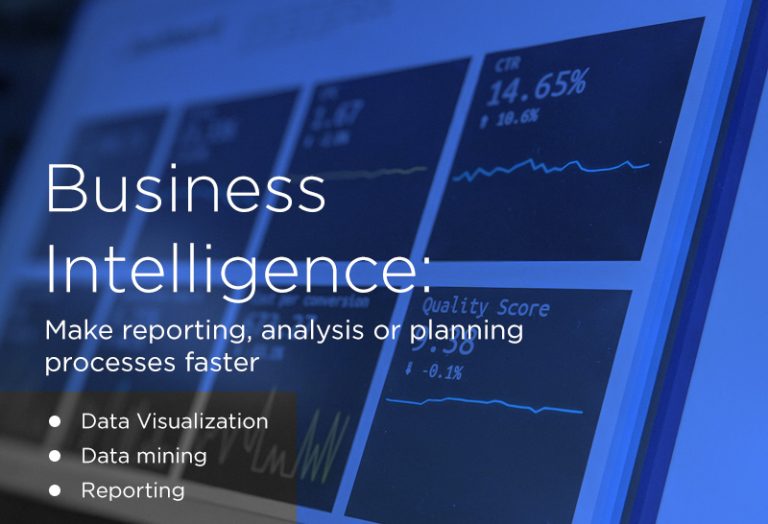
Any software that helps transform data into actionable insights that can aid in an organisation’s strategic and tactical business decisions is business intelligence software. BI tools access and analyse data sets and present analytical findings in reports, summaries, and dashboards.

The term business intelligence often also refers to a range of tools that provide quick, easy-to-digest access to insights about an organisation’s current state based on the available data. BI offers people to examine data to understand trends and derive insights by streamlining the effort needed to search for, merge and query the data necessary to make sound business decisions.
For example, a company that wants to better manage its supply chain needs BI capabilities to determine where delays are happening and where variability exists within the shipping process. The company could also use BI capabilities to determine which products are most commonly delayed or which modes of transportation are most often involved in delays.
Organisations generally opt for classic BI for certain types of reporting such as regulatory or financial reports where accuracy is paramount and the questions and data sets used are standard and predictable. Organisations use modern BI tools when users need insights into quickly changing dynamics such as marketing events, in which being fast is valued.
The future of Business Intelligence
In the future, BI will get smarter than it already is. Machine learning will be baked into the system and the platforms will make each function more powerful individually and more valuable to the business people using them. This will in turn make decision makers more efficient, powerful, and more accurate. Business Intelligence tools will be more self-reliant and will require a lot less human intervention while deriving data, analysing it, and offering reports for businesses to base their future decisions on.